
THE TAKEAWAYNobody abandons a cart because the clothes are bad. They abandon it because the photograph did not convince them the clothes are real.
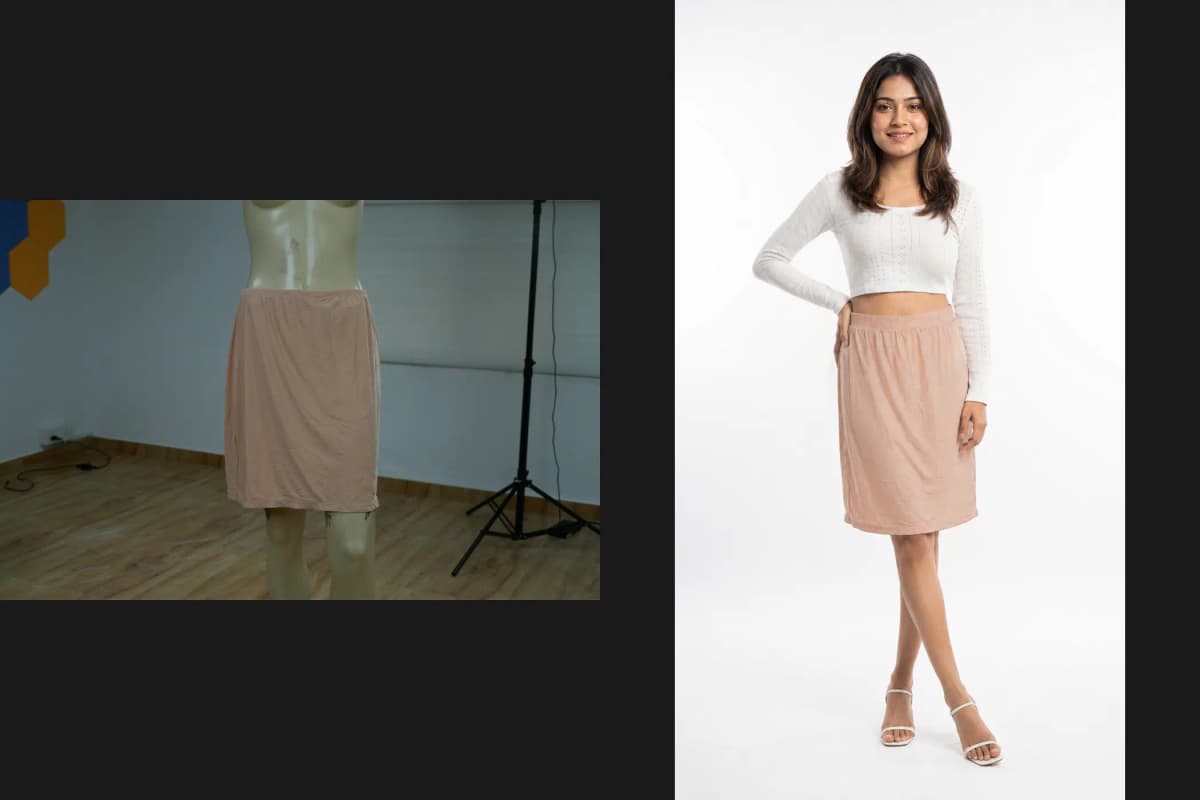
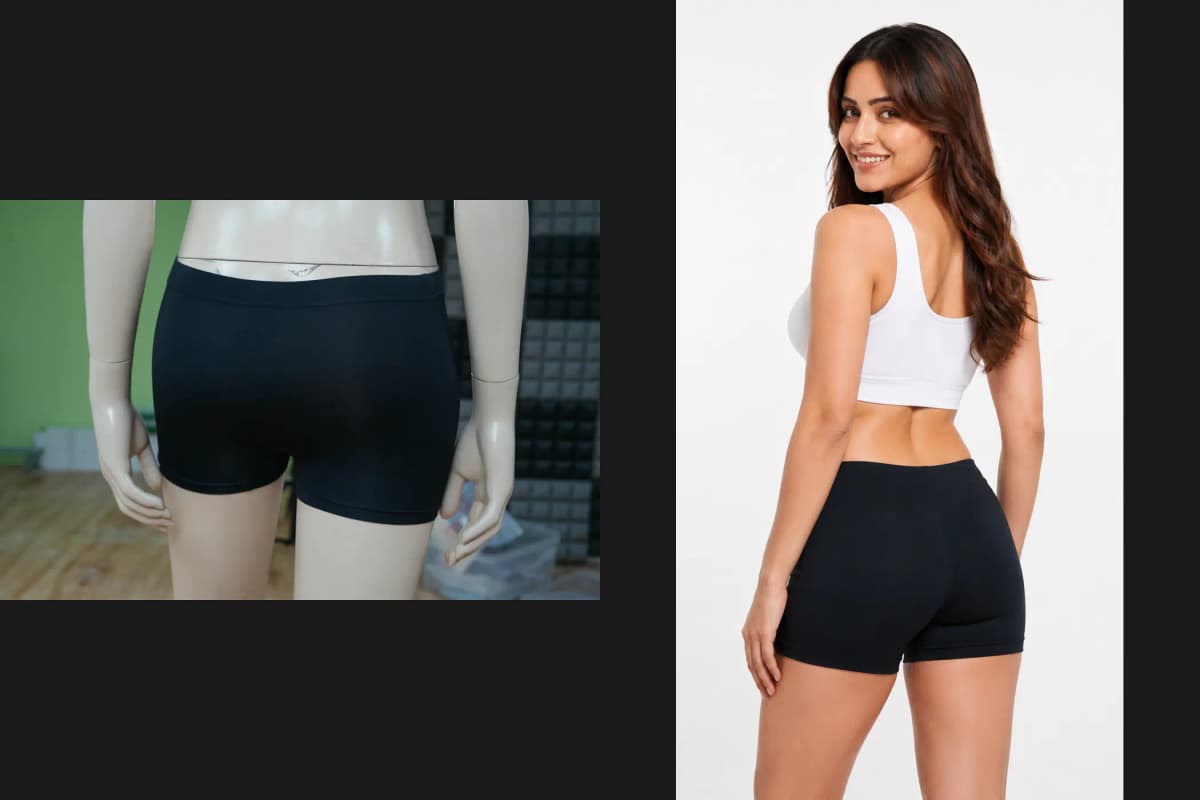
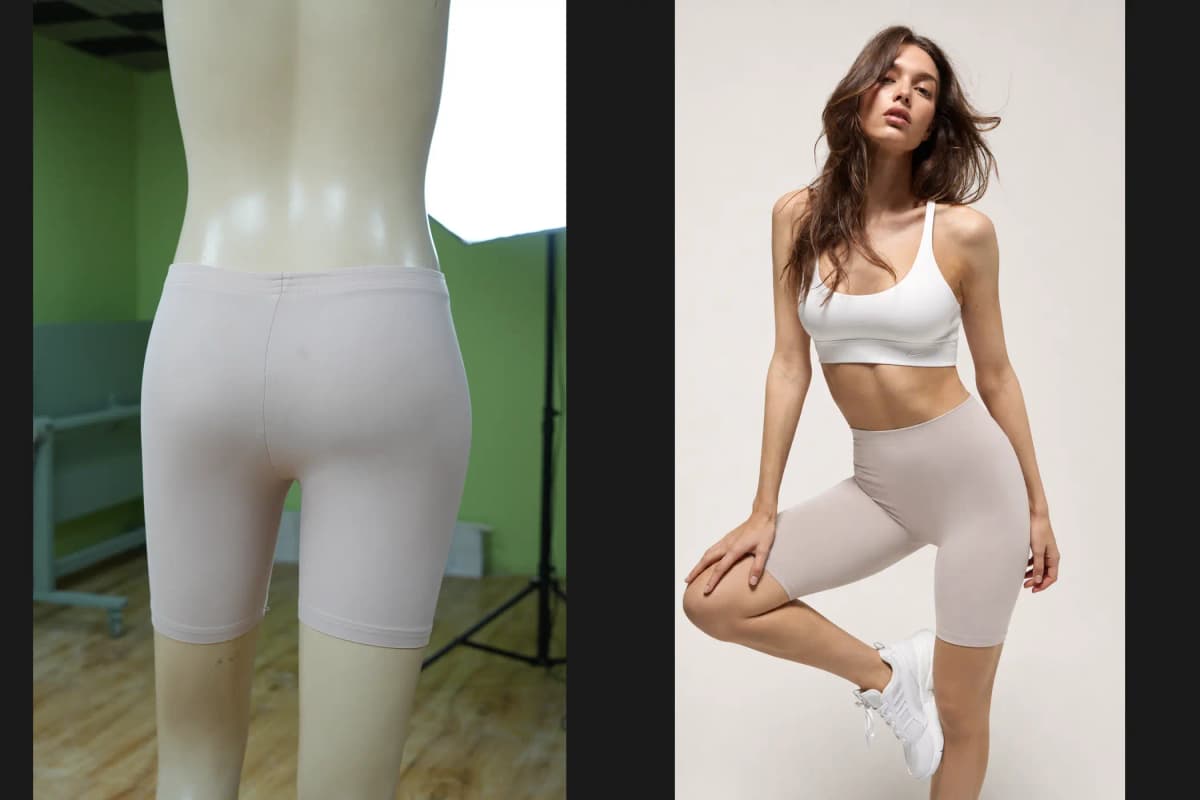
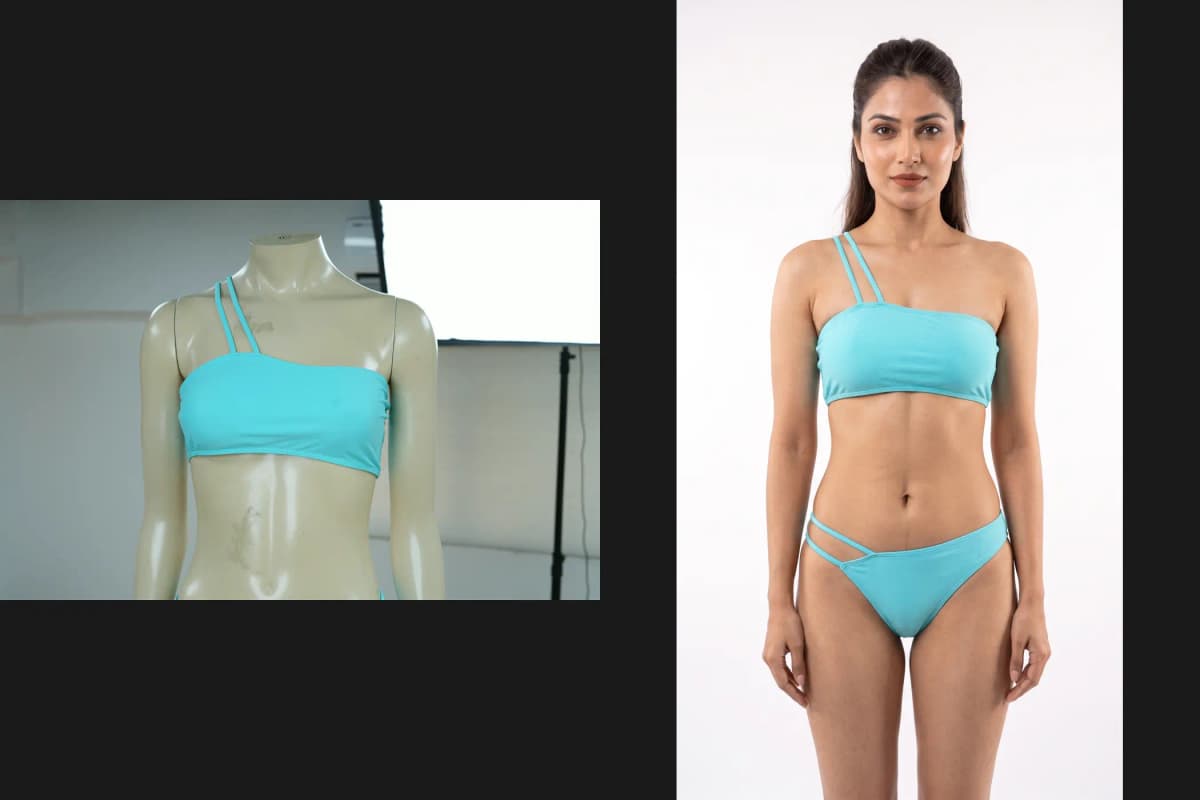
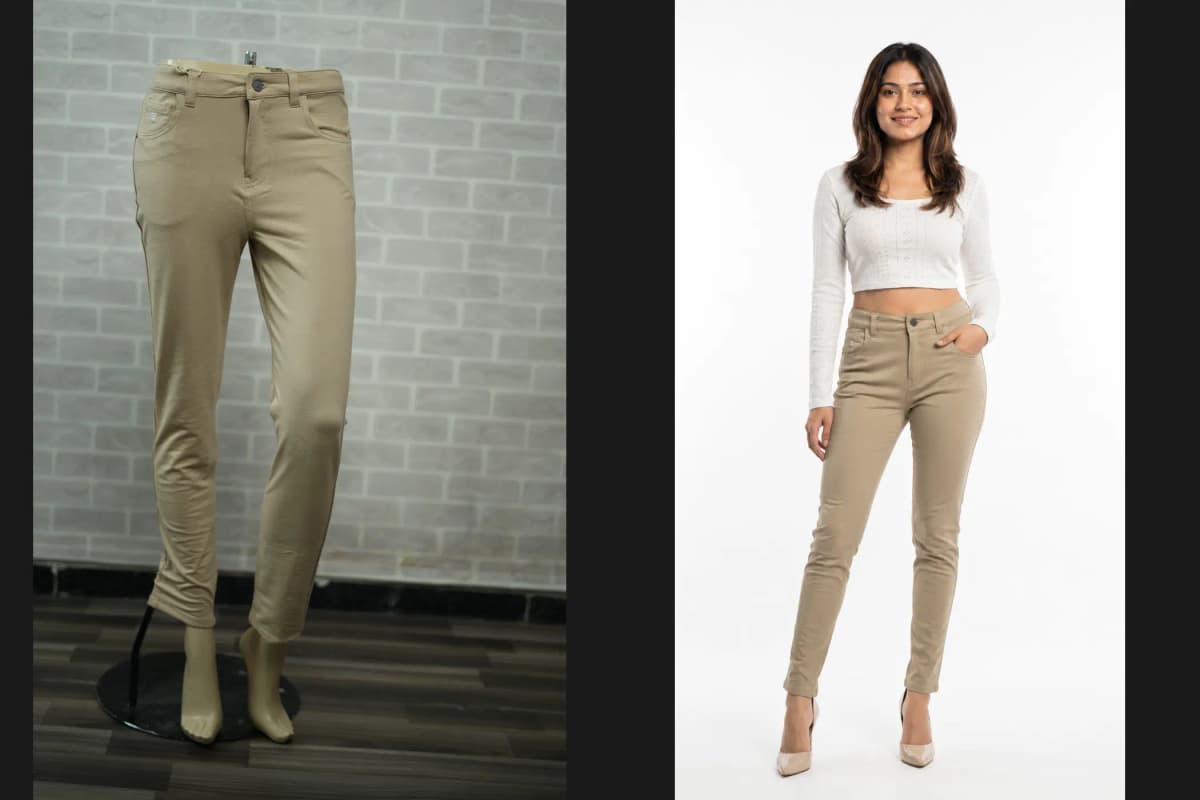
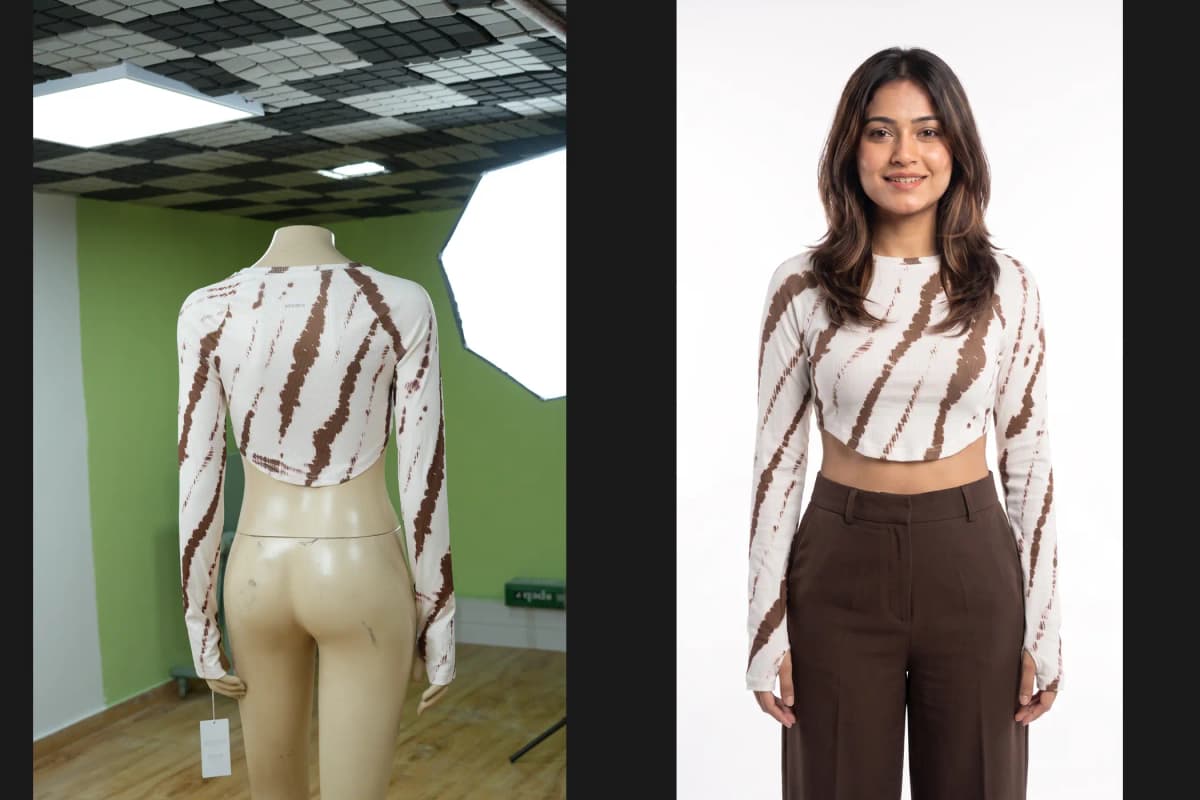
Eighteen garments shot on a headless mannequin in a back room, rebuilt into listing images a shopper would actually trust.
Casuall sells women's clothing online. The clothes were fine. The photographs were killing them. Here is what the brand was actually putting in front of a customer before she decided whether to spend money.
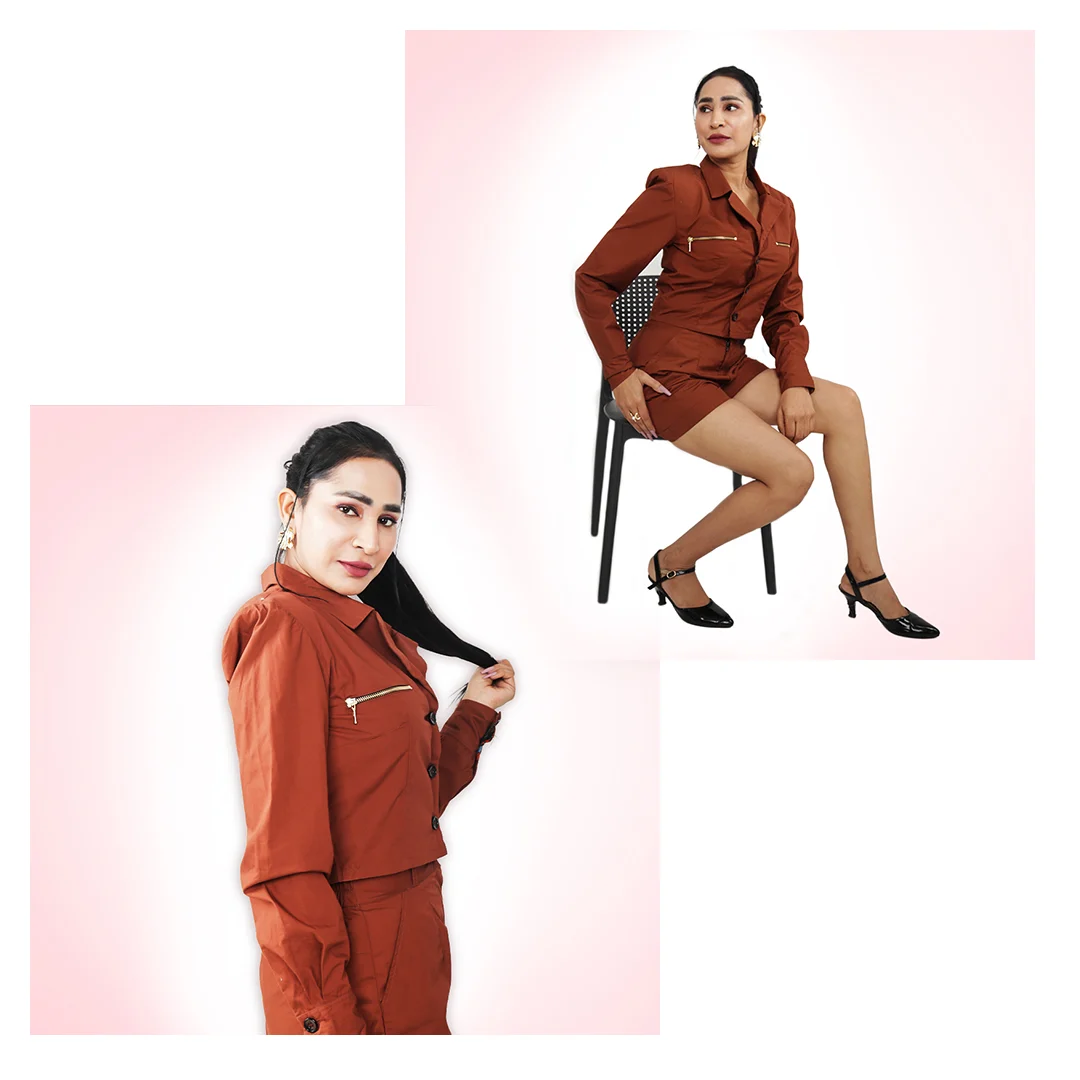
On the left, the product photography: direct flash, a corridor, a corrugated metal wall, chequered floor tiles. Nothing in the frame was chosen. The background is simply whatever was behind the model when somebody had a camera and ten minutes. On the right, the banner work: figures cut out of those same photographs and dropped onto a pink gradient. The cut-outs have hard edges, the shadows do not agree with each other, and the light on the bodies does not match the light in the scene they have been placed into — because there is no scene, just a gradient. I want to be careful here, because it would be easy to make a joke out of these and the joke would miss the point. These are not funny pictures. They are what a small business produces when nobody on the team has ever been taught what a product shot is for, the camera is borrowed, and the collection has to go live this week. That is most small brands in this country. It is not stupidity. Nobody ever told them.
But the effect on a shopper is brutal, and completely unfair to the clothes. She cannot feel the fabric. She cannot check the fit. She cannot hold it against herself in a mirror. The only evidence she has that this garment is real and will arrive is the photograph — and a photograph taken in a corridor under a flash does not read as "cheap". It reads as *this might not arrive at all.* So she closes the tab. The brand looks at the numbers and concludes the product is wrong, when the product was never the problem. That is the part that gets me. There is a real garment at the end of that listing, made by someone, and it never got a fair hearing.
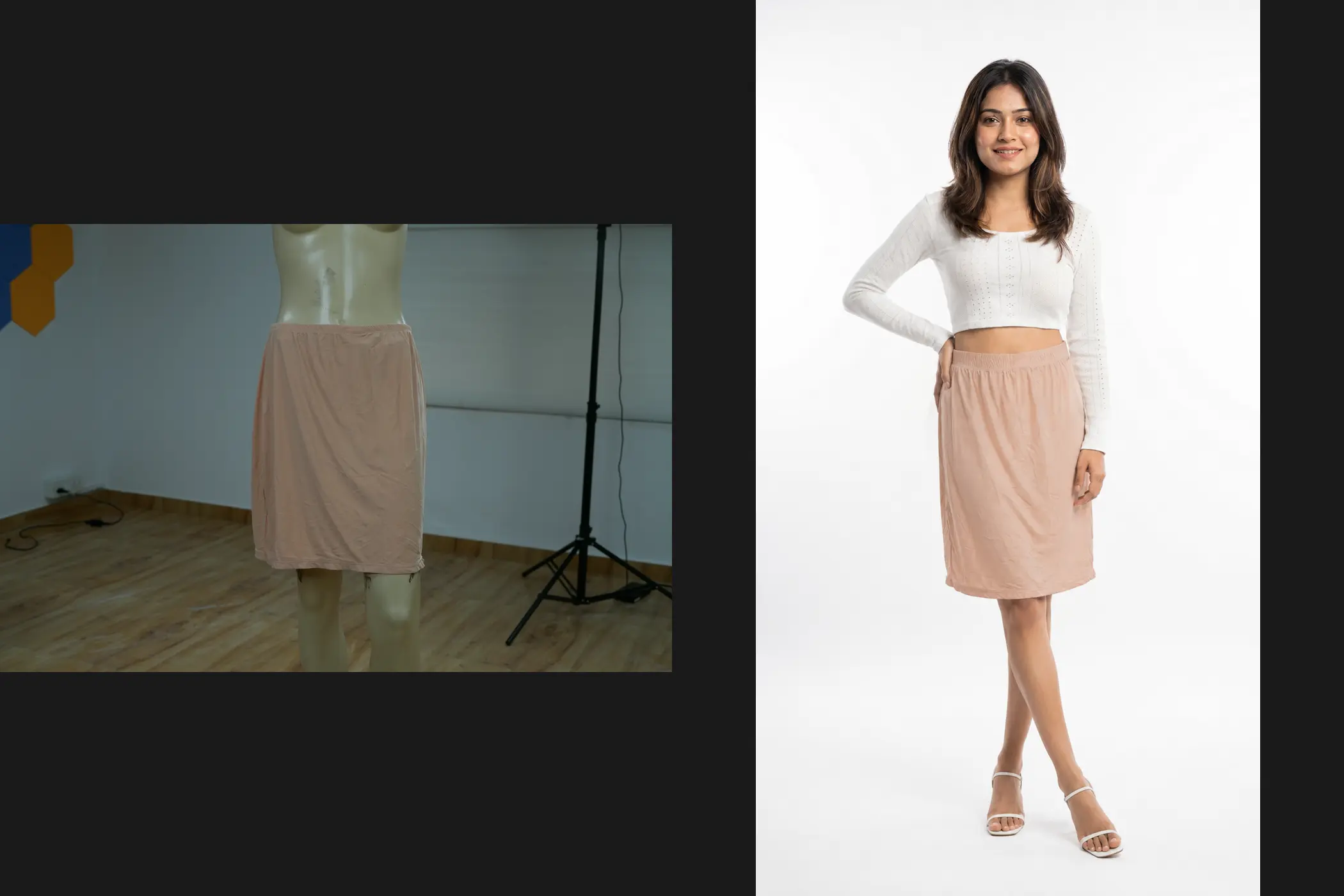
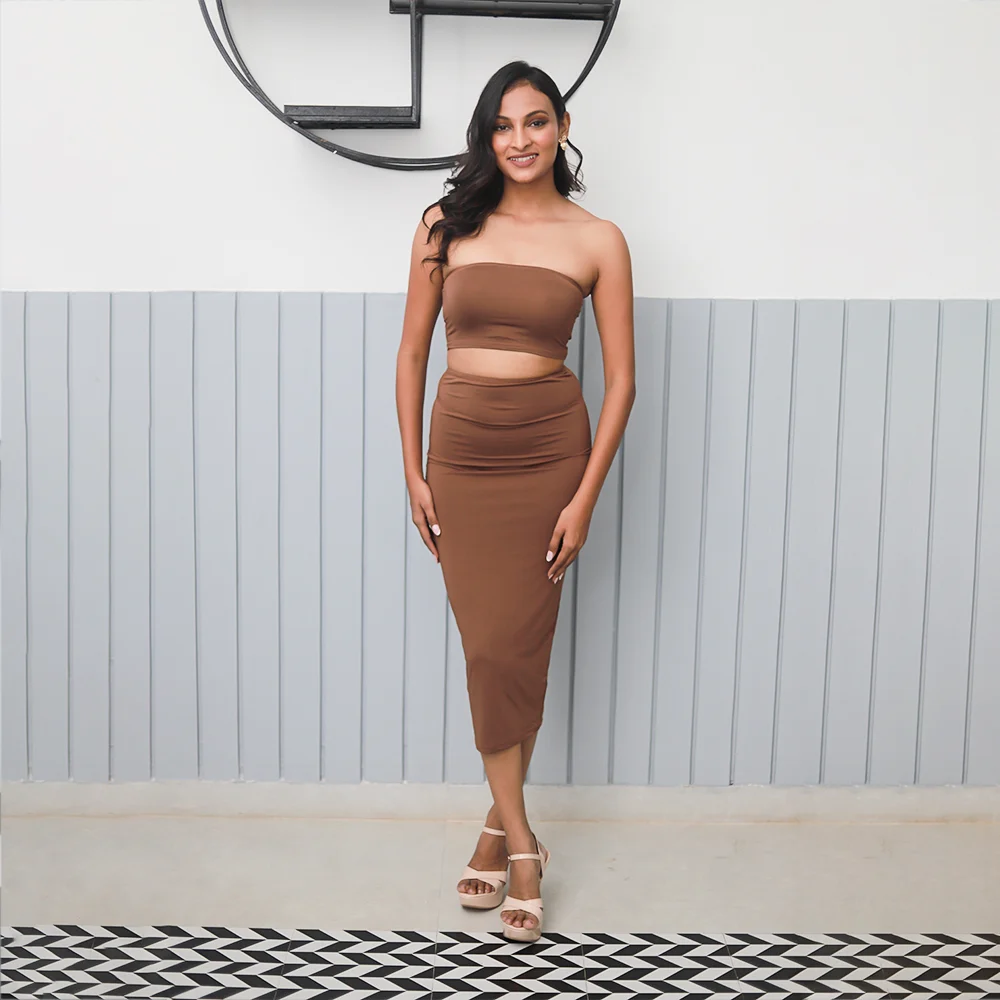
My Role: I rebuilt the catalogue. Eighteen garments, generated rather than reshot — no studio booking, no model call, no second sample couriered across the city. A brand at this stage cannot afford any of those, and that is precisely why it was stuck: the thing it needed in order to grow was the thing it could not pay for. How it was done matters more than what it was done with. Every original stayed the reference. The AI was never asked to invent a garment — it was handed the real one and asked to put it on a body, in light, against a clean ground. Same cut, same colour, same length, same drape, same hardware. That discipline is the whole job: the thing in the picture has to be the thing that arrives. Anything that drifts there is not a styling decision, it is a return — and a return costs the brand more than the bad photograph ever did.

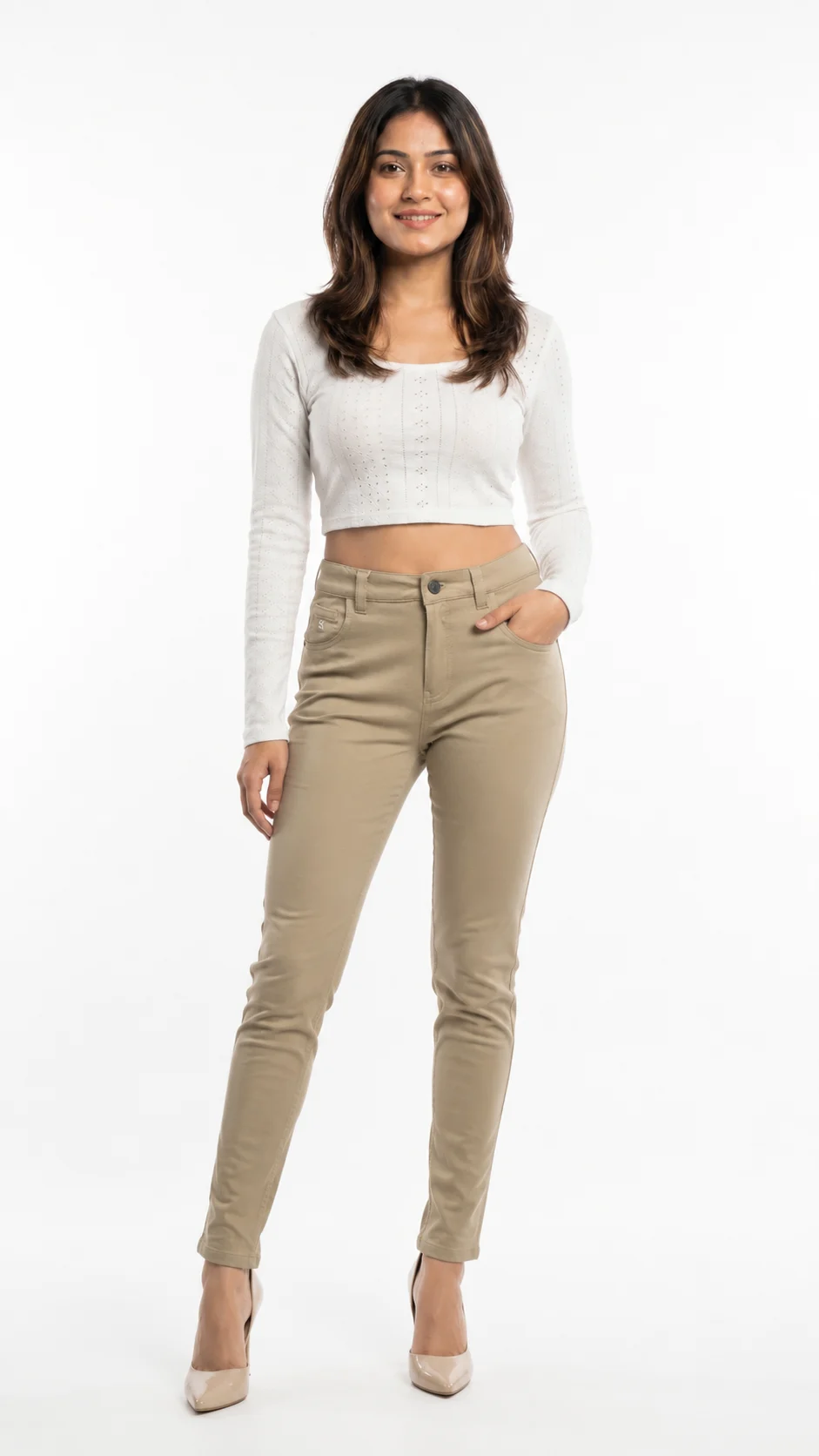
Same clothes. A body wearing them, a clean ground, even light, and styling that answers the question the old photographs never did: who is this for? One lighting language across all eighteen, so the catalogue reads as one brand rather than eighteen separate attempts.
Then the second half, which is a different problem entirely. A clean listing image sells a garment to someone already standing on the product page. It does nothing for someone scrolling a feed, because it looks like an advertisement, and people have become very good at not seeing advertisements. What a feed needs is content that looks like a person — a night out, a walk home, the kind of frame you stop on because you thought it was somebody you follow. So the social work was built per garment, as a set rather than a single hero image. One product, one evening, several frames that could be posted across a week and still feel like the same night.
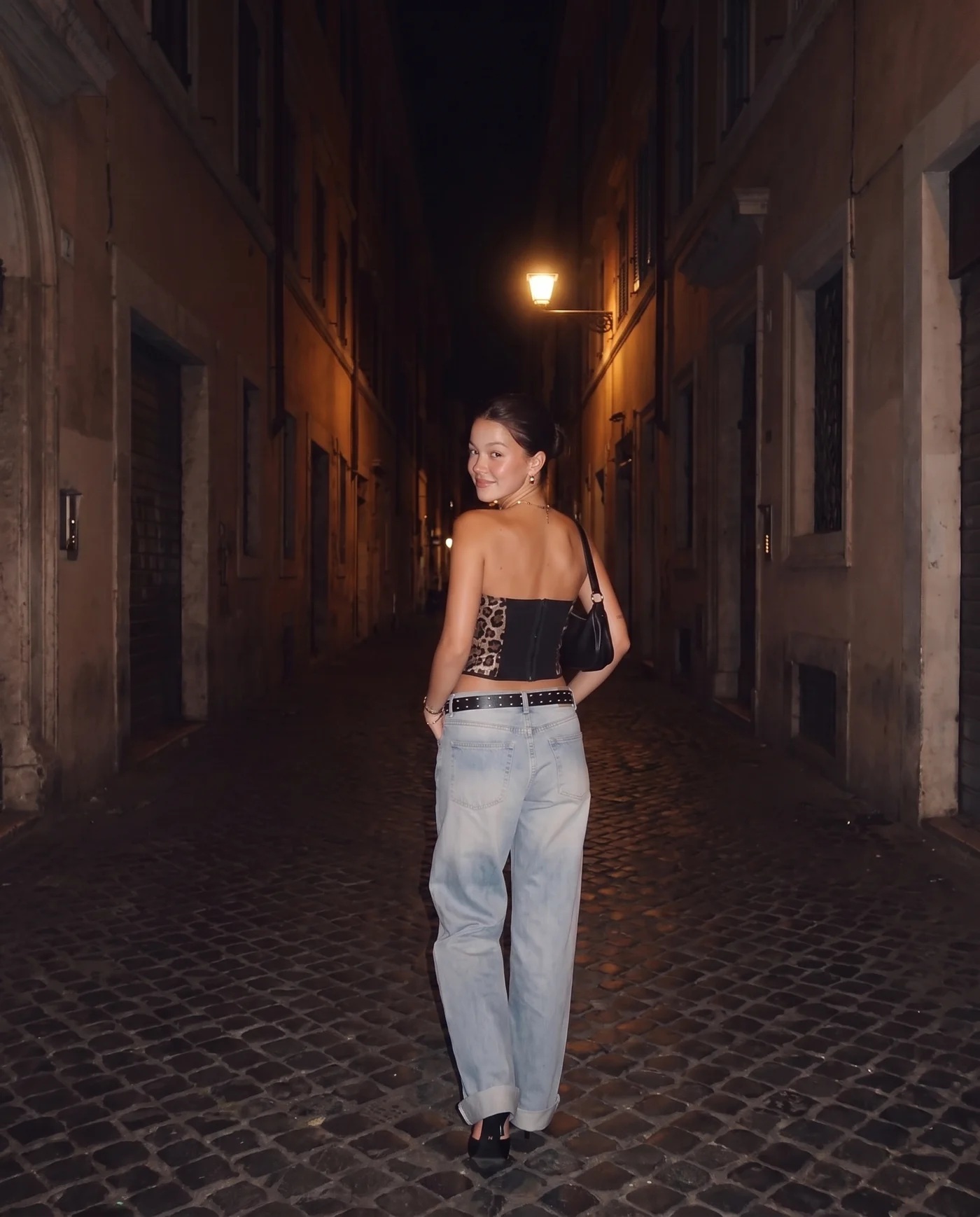


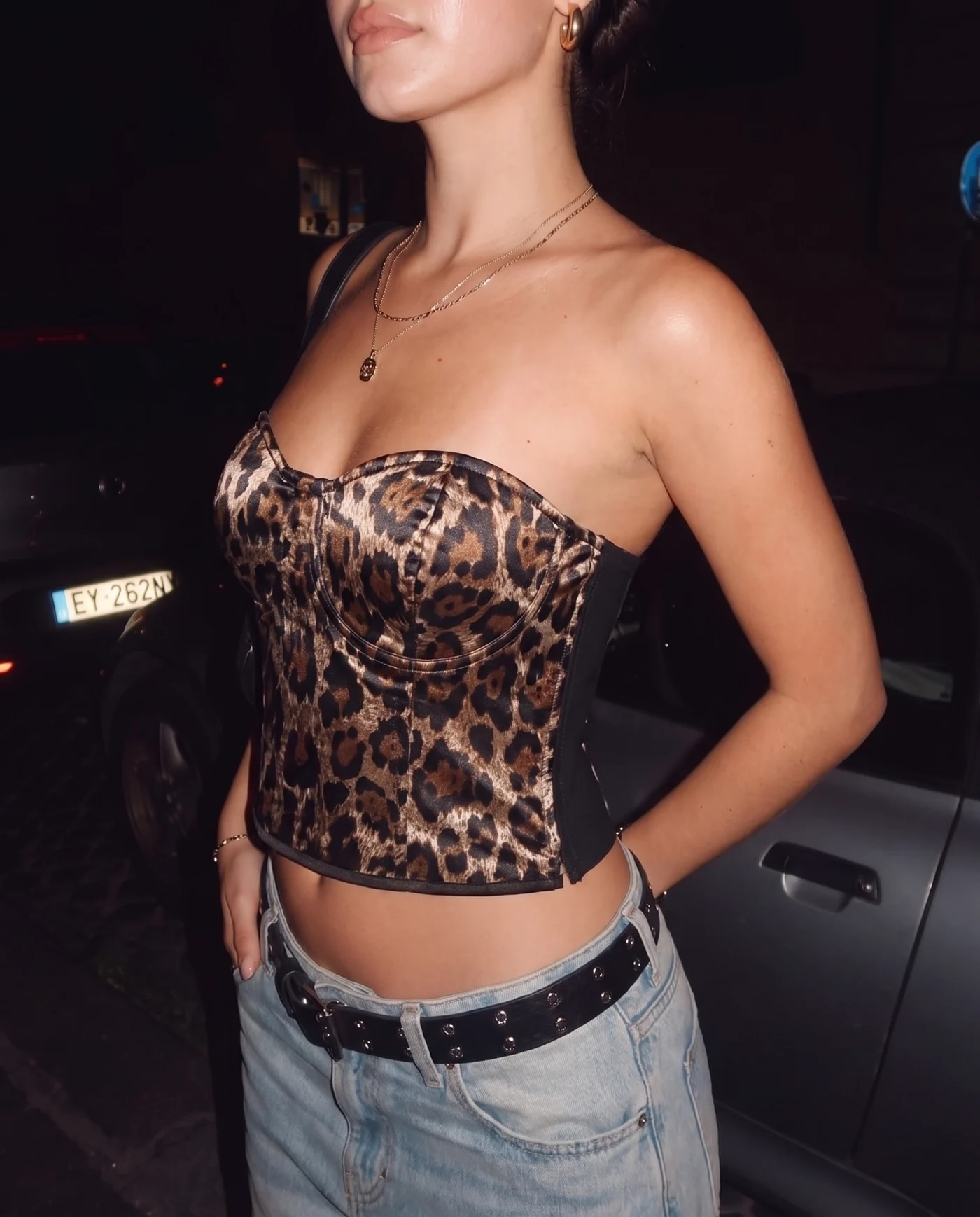

One garment, five frames, one night: the walk, the stop for ice cream, the sit on the steps, the detail shot that shows the boning and the print up close. A feed can run that for a week without repeating itself, and every frame still sells the same corset. The second product got the same treatment in a completely different register — harder light, colder city, late and alone rather than out with friends.
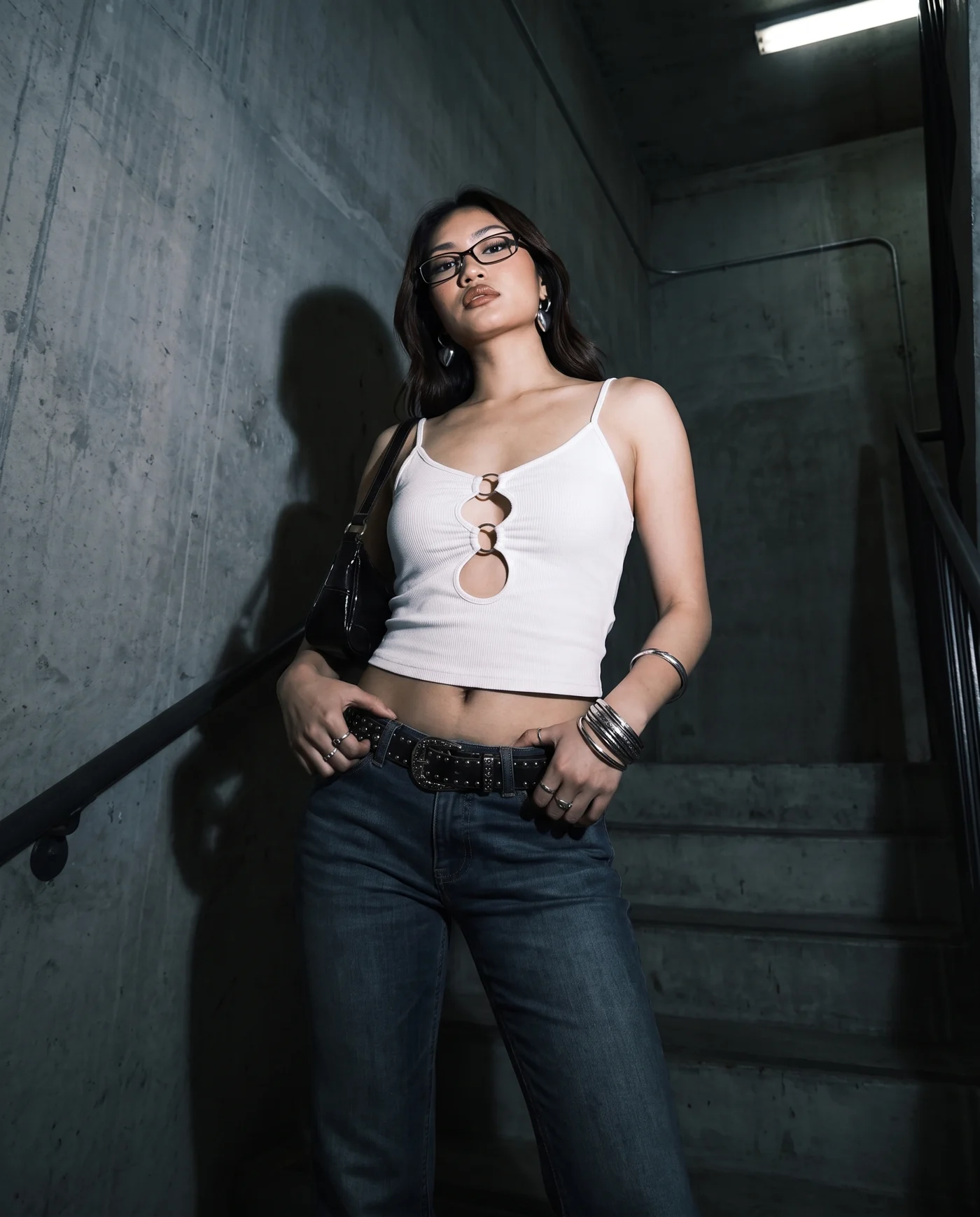

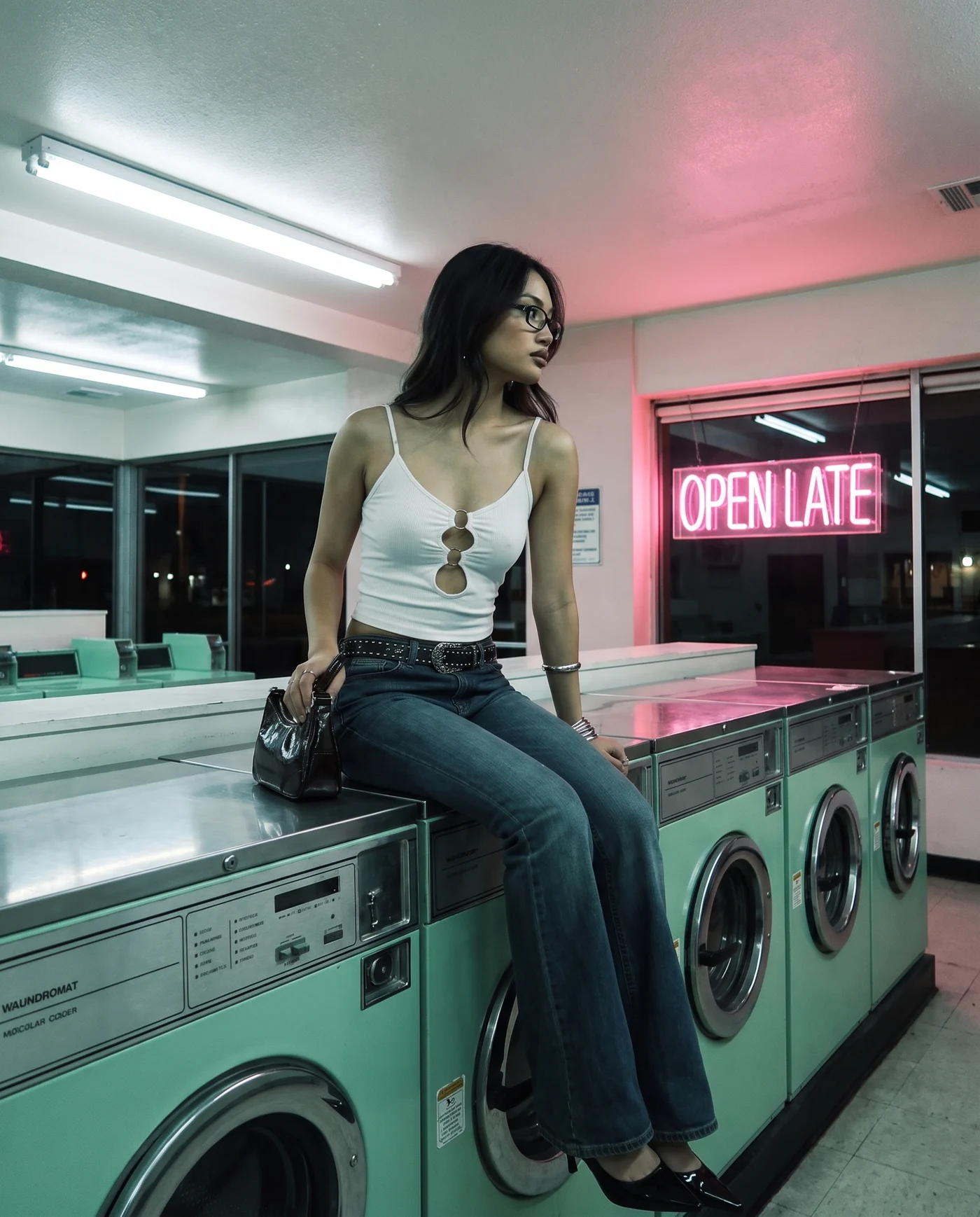
Same rule running under all of it. The product never changes — the cut-out hardware sits in exactly the same place in the stairwell, on the floor and in the laundromat. Only the room around it does. Below are the two homepage films side by side — what the brand was leading with before, and what it leads with now.
The honest part: this did not run as a full launch campaign. I planned one, and the budget was not there. The catalogue and the content are what shipped, and that is what is shown here — I would rather say that plainly than describe a campaign nobody ever saw.
Before — the homepage film the brand was leading with
After — the rebuilt homepage film
The brand the catalogue was rebuilt for
casuall.in NEXT PROJECT ↘Eurobond BSE Listing Cinematic Coverage