
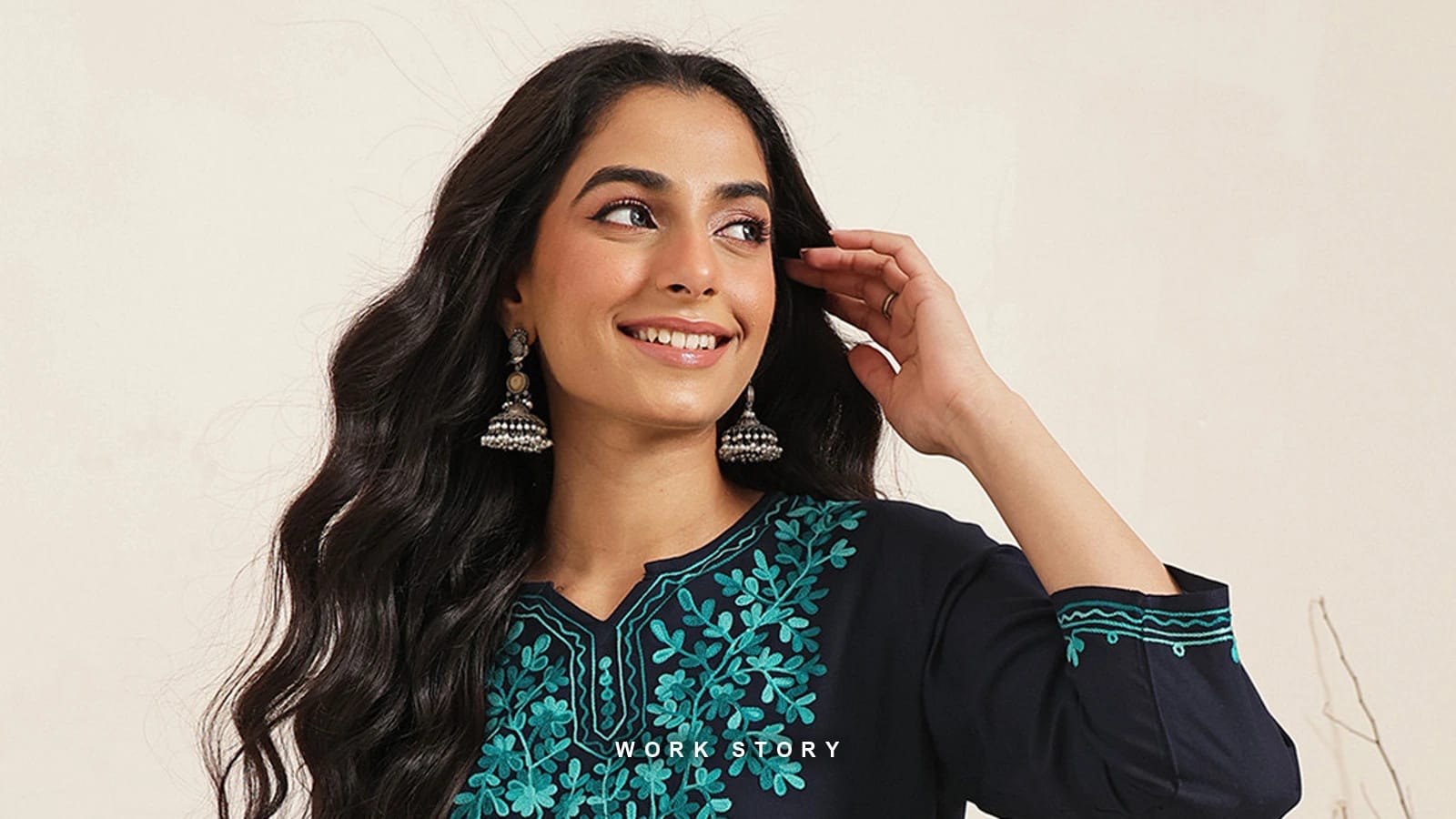
THE TAKEAWAYA fully synthetic model is free and reads as fake the moment it runs as a paid ad. Hire one real face, pay for it properly, and scale that instead.
Photographing a kurti label for Myntra, then building a season of Meta ad creative on the one thing worth paying for — a real person's face.
FEMBLISS makes embroidered women's ethnic wear — kurtis and tunics, thread work across the yoke and the cuffs, the kind of piece that sells on the strength of its embroidery and almost nothing else. It sells on Myntra. I did the shoot and the listing images, and then the AI content for their Meta ads and campaigns.
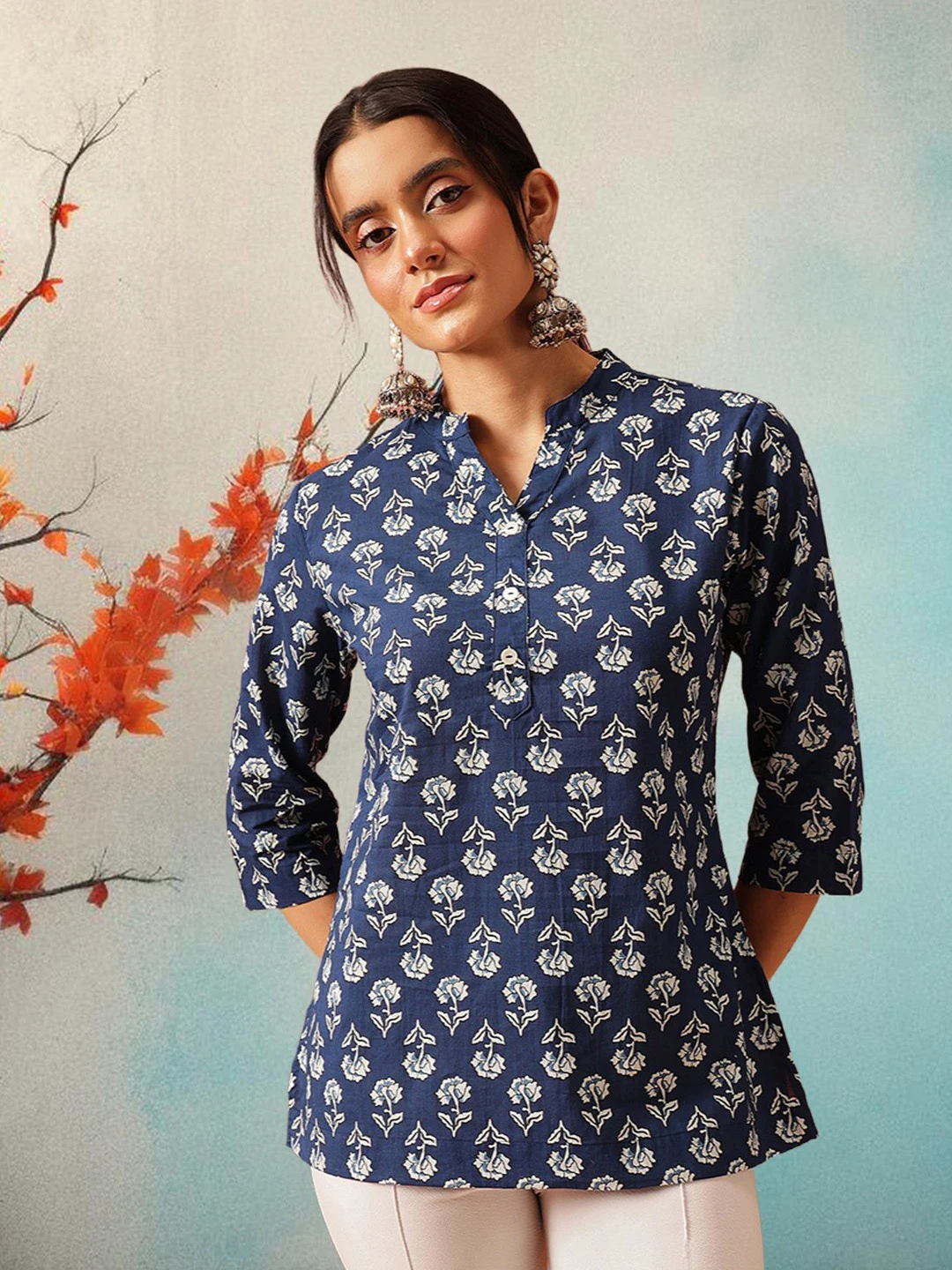
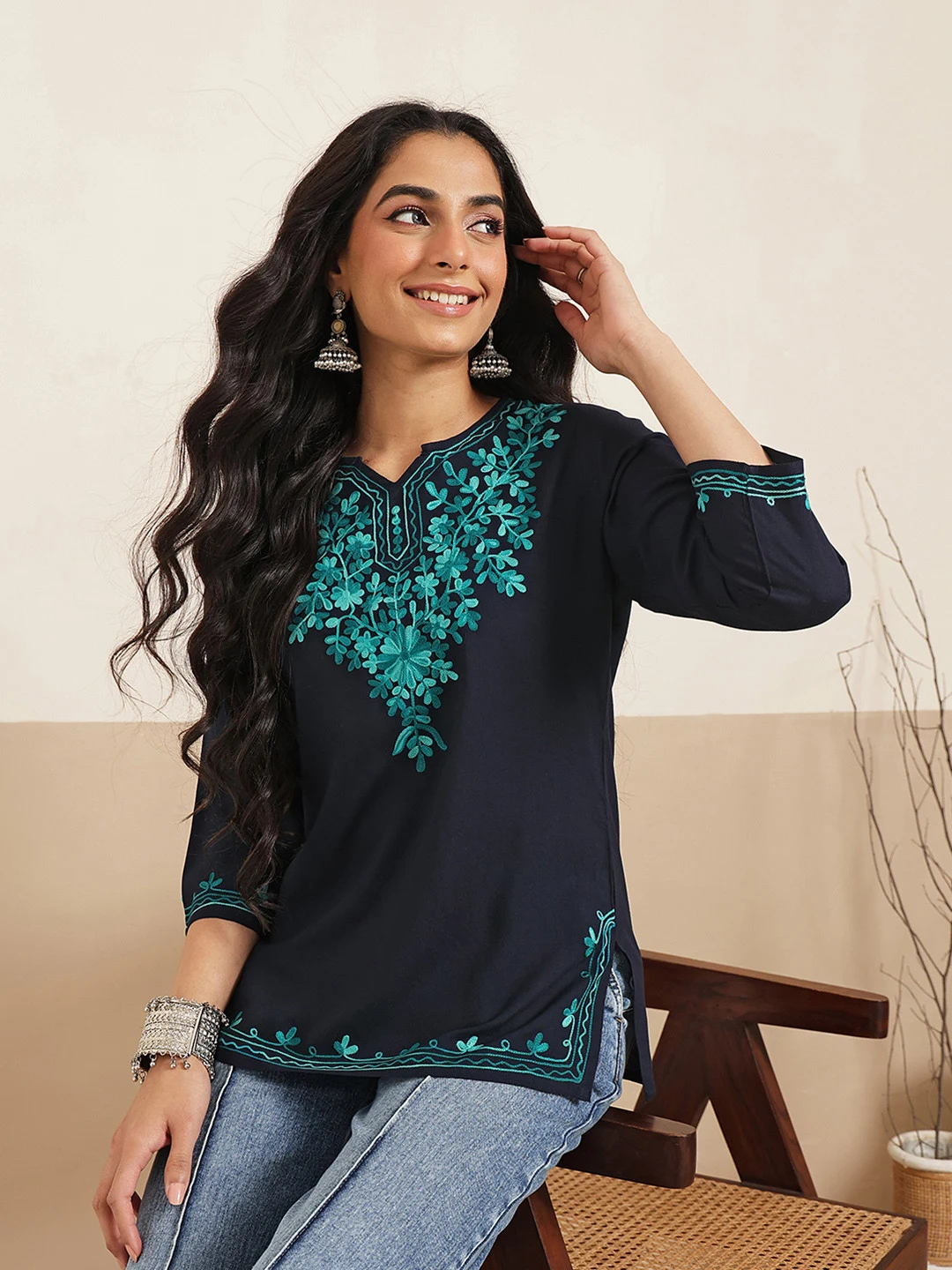
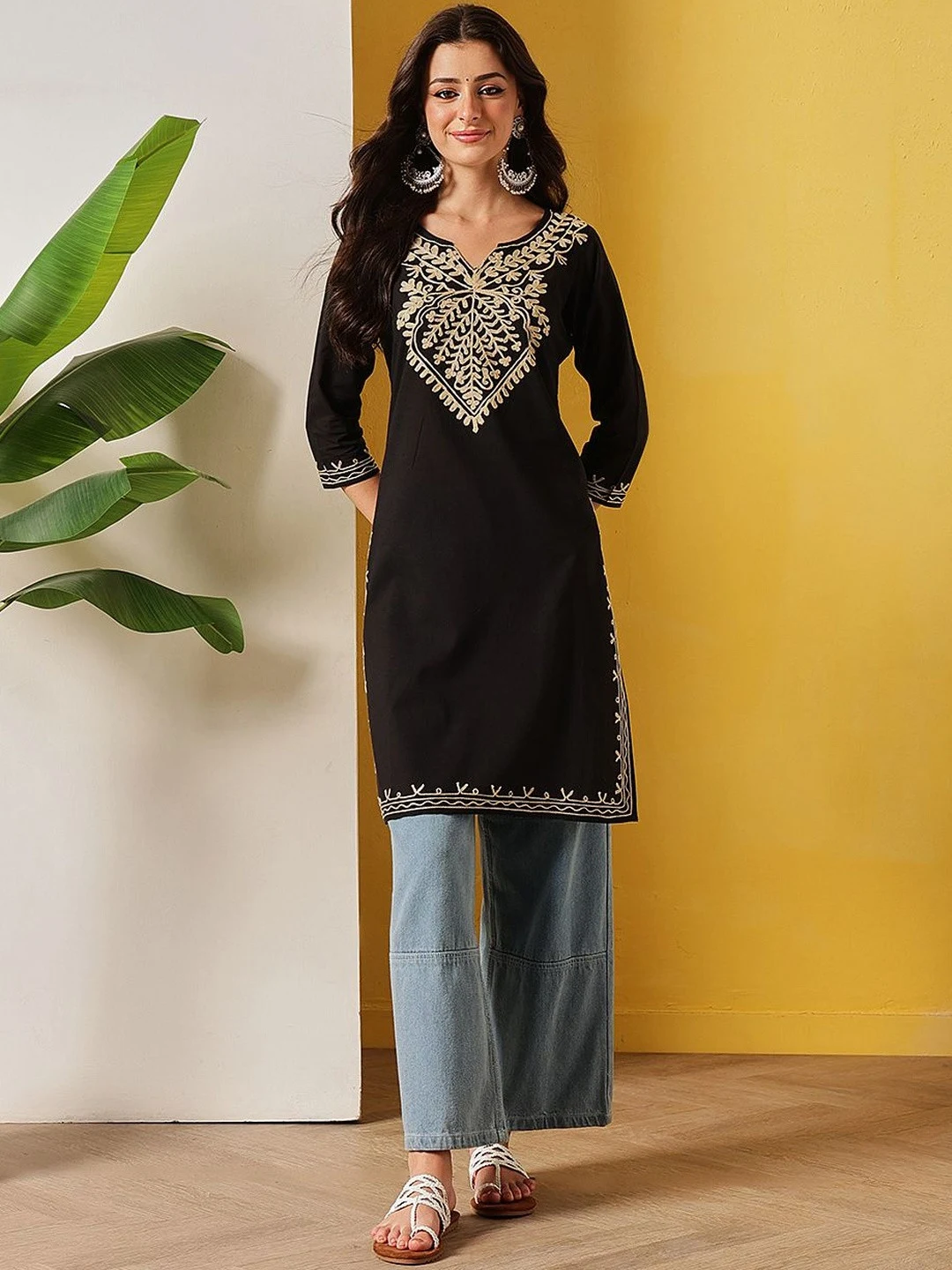
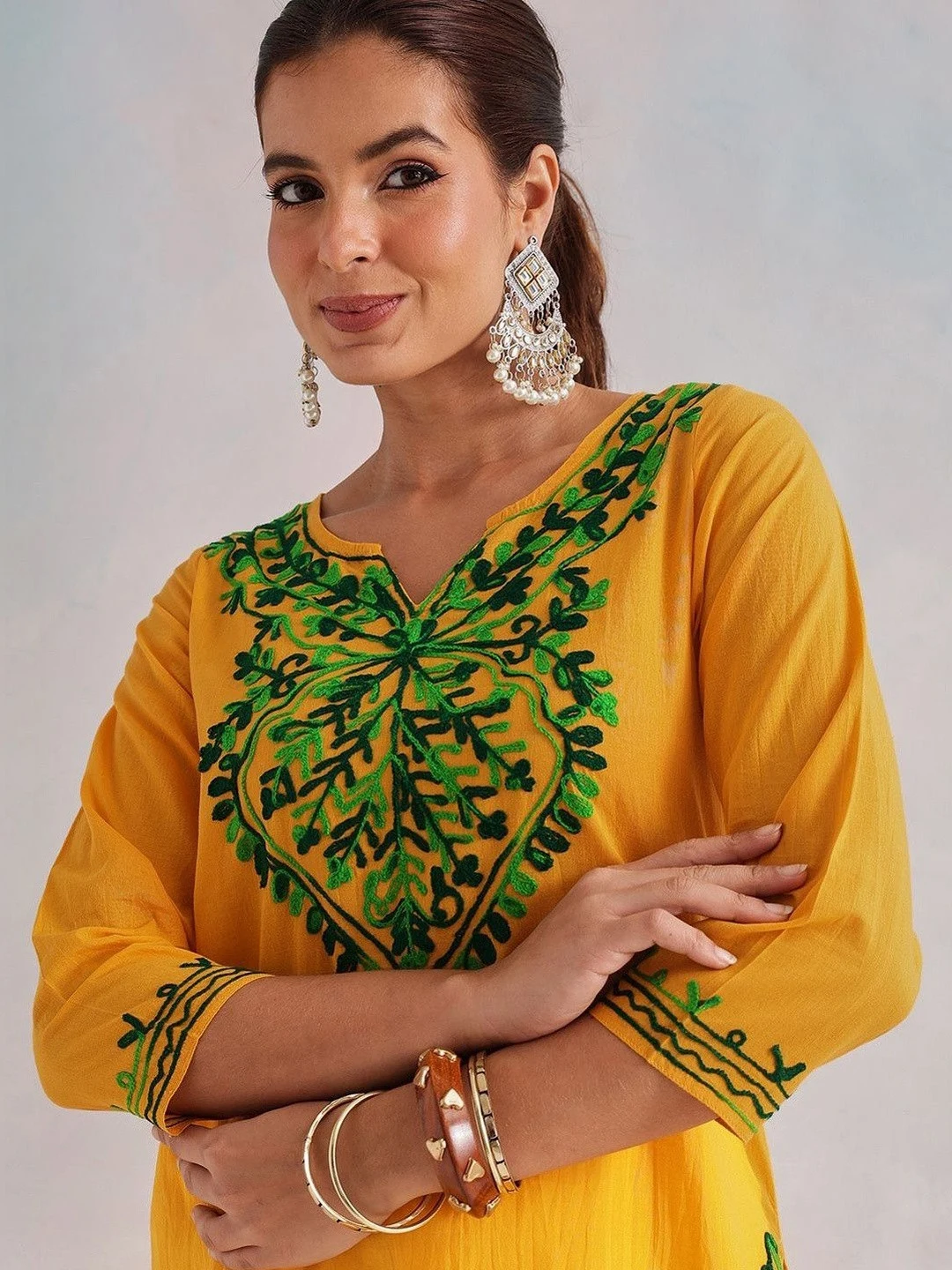
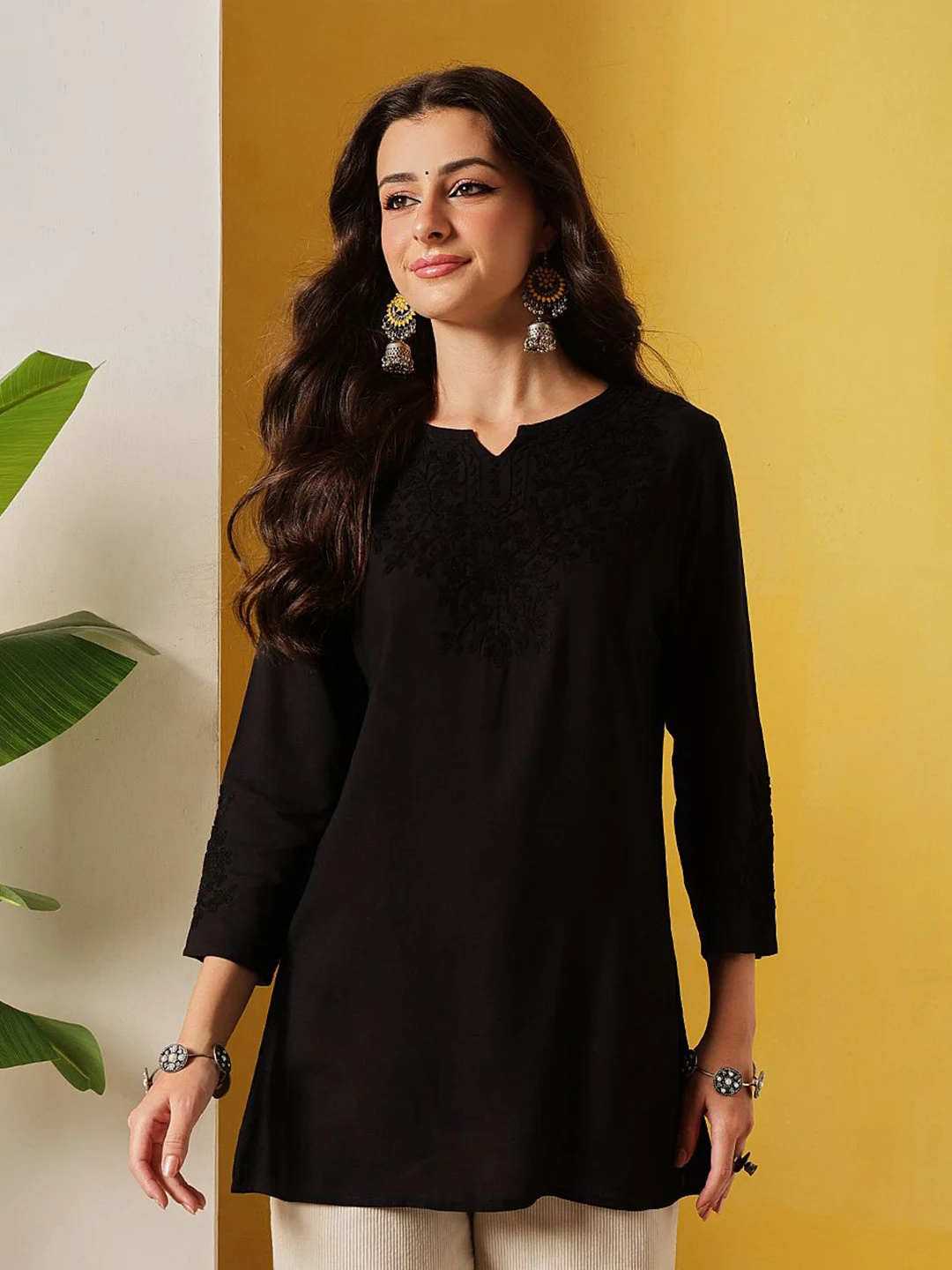
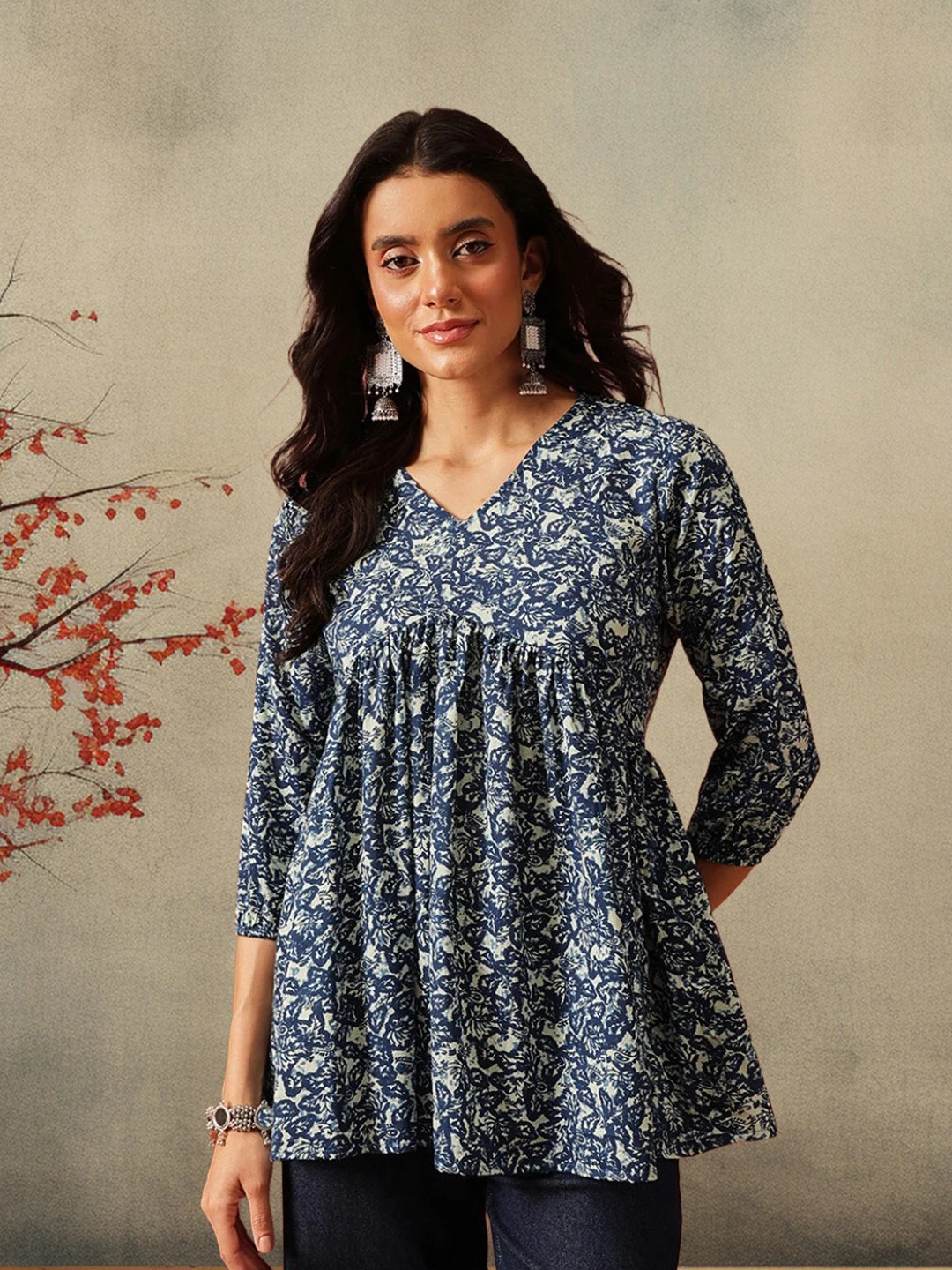
The listings are photographs. A real shoot, a real model, one session covering the range. That is not nostalgia, it is what the surface demands. A marketplace listing is a promise with a returns policy stapled to it. The buyer is comparing eleven near-identical kurtis in a grid, and the picture is the entire basis of the decision — colour, neckline, sleeve length, how the embroidery actually sits once there is a body inside it. Anything the photograph implies that the parcel does not deliver comes back as a return, and enough returns take the listing down.
The interesting decision was what to do about the ads. Meta needs volume and it needs motion — far more creative than a shoot can produce, refreshed far more often than a shoot can be booked. The obvious answer is to generate it. And the obvious way to generate it is to generate the model too, which costs nothing. We did not do that, deliberately. A fully synthetic person does not survive a paid ad. In a feed, next to real posts from real people, it reads as *off* before a viewer can name why — and the moment an ad reads as fake, the brand behind it reads as fake. For a label asking someone to spend real money on clothes sight-unseen, that is the one impression you cannot afford. So the spend went to a real person, and only to her: we hired the model and paid her fee for her face. No studio day for every campaign, no crew, no reshoot cycle. One face, properly paid for, and the ad creative built on it.
That is the whole economic argument, and it is a small-business argument. A brand this size cannot book a shoot every time it wants to test a creative — not because of the day rate, but because of the *wait*. By the time a new style has been shot, the window it was meant to sell into has moved. Generating the ad creative from an already-paid-for likeness collapses that: a new style can be in a campaign the day the sample exists, and still have a real human face in the frame.
The hard constraint running under all of it was the embroidery, and it is specific to this product. On a plain garment, drift is survivable — a slightly different drape reads as a different pose. On an embroidered kurti the embroidery *is* the product. A motif that gains a petal, a vine that wanders off the yoke, a cuff pattern that does not agree with the one on the other sleeve — it is instantly visible to the one person who matters, the buyer looking closely before she spends. And it is the first thing she checks when the parcel opens. So every generated frame was read against the real garment like a spot-the-difference: motif count, where the pattern breaks at the placket, whether the two cuffs match. The ones that drifted were thrown away rather than retouched, because a pattern that has already wandered does not come back with editing. Sixteen reels came out of it, finished at 1080x1920 for feed and ad placements, alongside the listing set.
 NEXT PROJECT ↘LUXBROW Clinic — Growth Strategy for a Local Clinic