BRAND FILMS AND FOUNDER STORIES
The story gets found first, then the shoot serves it.
A founder story fails in the edit, not on the shoot day. Someone sits down, recites the About page, and ninety minutes of footage holds nothing worth keeping. So the first thing I do is a recorded pre-interview on a call, pull the two or three moments that actually carry weight, and build the question order around them. The shoot then exists to capture those moments, nothing else.
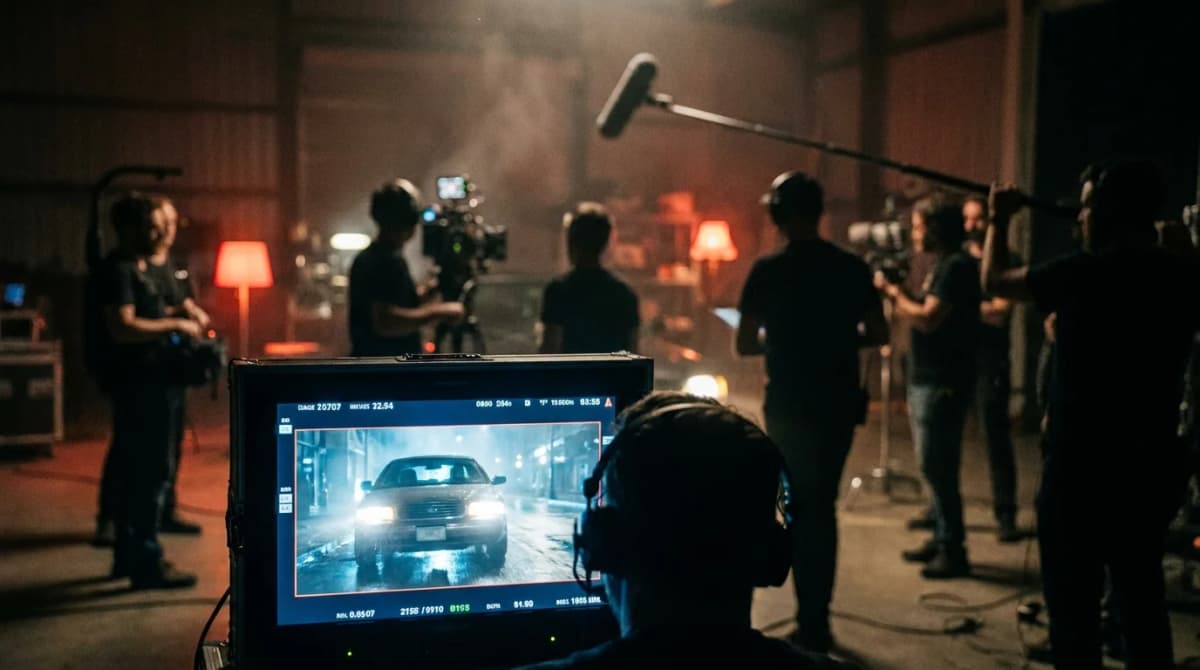
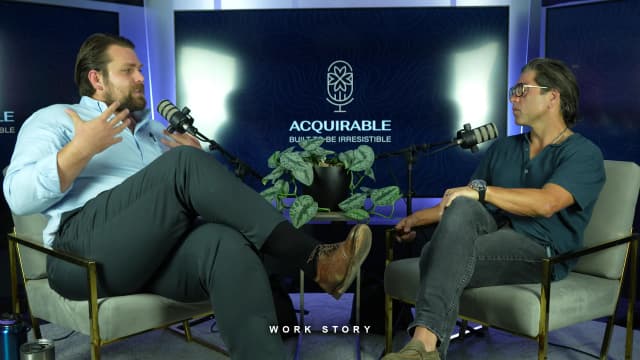
I direct these films. I write the treatment and the question ladder, decide the setting and what the frame is quietly saying about the person, then bring in a DOP, a sound recordist and whatever lighting support the film needs and brief them shot by shot. On the day I sit off-camera and run the conversation. I am not the person operating the camera.
Then the edit. I cut on paper from the interview transcript first, so the story is locked before an editor opens a timeline, and the b-roll list falls out of that paper cut. Editor, colourist and sound get briefed and reviewed by me through to a signed master. What you receive is the hero film plus the cutdowns it has to live in.
WHAT I DO
- Story development — a recorded pre-interview call, then a treatment naming the two or three moments the film is built on
- Question ladder — the exact questions in order, written to produce usable sentences instead of a recited About page
- Shot intent and location brief — framing, setting, wardrobe notes, and what the background says about the person
- Crew brief and on-set direction — DOP, sound and lighting instructed shot by shot, with me running the interview off-camera
- Paper edit built from the interview transcript, plus the b-roll shot list it generates
- Edit, grade and sound supervision — written notes and review rounds through to an approved master
- Delivery set — a 90-second hero film, 30-second and 15-second cutdowns, a 9:16 version and burnt-in subtitles
HOW I WORK
- 01
LISTEN
A recorded pre-interview call where I find the moments the film can actually be built on.
- 02
PLAN
Treatment, question ladder, shot intent, location, and the crew and schedule the film needs.
- 03
DIRECT
On set I run the interview off-camera, review takes on the monitor, and check the b-roll list is complete before wrap.
- 04
ASSEMBLE
Paper cut from the transcript, then edit, grade and sound driven through review to a master and its cutdowns.
BEST FOR
- Founders who are strong in conversation and hopeless reading a script
- Companies whose real differentiator is a person or an origin, not a spec sheet
- Brands that need one film to carry the story across site, deck and socials
- Teams who want the hero film and every cutdown out of a single shoot day
NOT THIS
- Not a facility or process film — walking a plant floor is a different shoot with different access and permissions; that sits on the corporate and facility films page
- Not a customer testimonial — a film of your buyer vouching for you is scoped on the testimonial and case-study films page
- Not a fully generated film — if no real person needs to be in front of a lens, AI Commercial Production is faster and cheaper
THE PROOF
Published case studies from cinematic production work. Each one names the client and shows what was delivered.
STRAIGHT ANSWERS
REST OF CINEMATIC PRODUCTION
MAKE A
WISH.
Tell me what you're building. I'll tell you how loud it can get.
- /01
YOU WRITE
Tell me what you're building and what's in the way. Two lines is enough.
- /02
WE TALK
A 30-minute call, booked within 7 days. Real questions, no pitch theatre.
- /03
YOU GET A PLAN
Scope, timeline and an honest number, usually within a week.