EVENT AND TRADE SHOW COVERAGE
One take, no retakes, cut while the hall still cares.
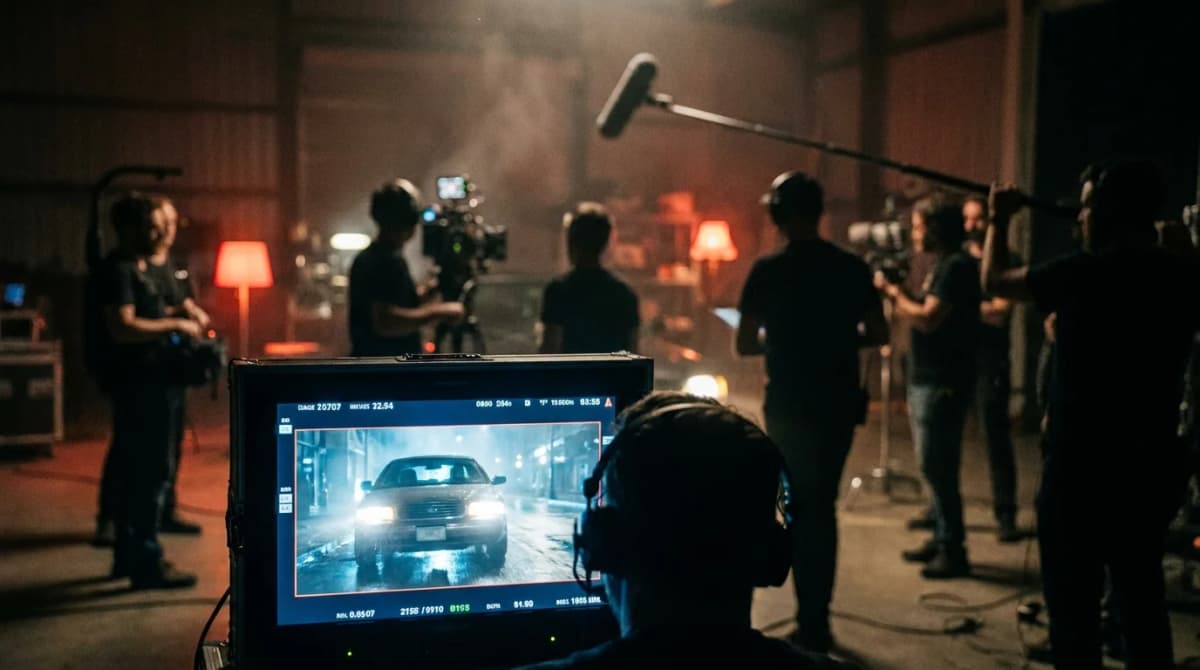
An event is the one shoot where nothing can be repeated. The keynote happens once, the booth is only busy for ninety minutes, and the person worth interviewing leaves at four. So coverage is a logistics document before it is a creative one: who stands where in which hour, which camera is locked on stage, which one roams, and who is holding the interview corner while that happens.
I direct the coverage. Before the show I recce the hall and the booth for sightlines and power, sort accreditation, and book the audio feed off the sound desk — stage audio from a camera microphone is unusable and it is the single most common way an event film dies. Then I brief the crew on positions, handover times and a card-naming protocol the editor can follow.
Turnaround is the point. A highlight reel goes out the same night or the next morning, while the hall is still full and the posts still matter, and the longer film follows afterwards. Session recordings, booth reaction, vox pops and verticals come out of the same days rather than out of a second booking nobody budgeted for.
WHAT I DO
- Coverage plan — a run-of-show grid marking every moment worth a camera and which crew member owns it
- Recce and accreditation — hall walkthrough, booth sightlines, power, press passes, and the audio feed booked off the sound desk
- Crew brief and positions — stage camera, roaming camera and interview corner, with written handover times
- Interview corner direction — who to pull aside, what to ask, and a spot quiet enough that the audio survives the hall
- Logging protocol — card naming, speaker list and lower-third spellings handed to the editor on the same day they are shot
- Same-day or next-morning highlight reel, cut for posting while the show is still running
- Post-show delivery — event film, session recordings, vertical clips and a small stills selection pulled by the video crew
HOW I WORK
- 01
RECCE
Hall and booth walkthrough, accreditation, power, and the sound desk conversation about an audio feed.
- 02
GRID
A run-of-show grid assigning every stage slot, booth peak and interview window to a specific crew position.
- 03
COVER
On the floor I work the grid, reassign when the schedule slips, and feed selects to the editor during the day.
- 04
TURNAROUND
Highlight reel out same day or next morning, then the full event film, sessions and verticals.
BEST FOR
- Exhibitors who need content posted while the hall is still full
- Conference organisers who need session recordings and a highlight film from the same crew
- Companies launching at a show who want booth reaction, not only stage footage
- Teams whose real audience is the people who did not attend
NOT THIS
- Not a live stream or broadcast — no vision mixing, no stream feed, no on-site playout; this is recording and editing only
- Not a scripted film — an event cut is built from what the day actually gave, so if the message has to be controlled, shoot a brand film instead
- Not full event photography — stills come as a small selection pulled by the video crew, not a photographer’s gallery
THE PROOF
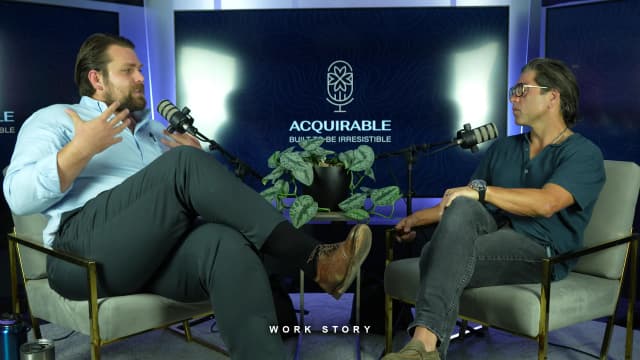
Published case studies from cinematic production work. Each one names the client and shows what was delivered.
STRAIGHT ANSWERS
REST OF CINEMATIC PRODUCTION
MAKE A
WISH.
Tell me what you're building. I'll tell you how loud it can get.
- /01
YOU WRITE
Tell me what you're building and what's in the way. Two lines is enough.
- /02
WE TALK
A 30-minute call, booked within 7 days. Real questions, no pitch theatre.
- /03
YOU GET A PLAN
Scope, timeline and an honest number, usually within a week.