
TESTIMONIAL AND CASE-STUDY FILMS
Someone else’s customer, on record, saying a real number.
The hard part of a testimonial has almost nothing to do with cameras. The person on screen does not work for you. They are doing a favour, they have ninety minutes, their communications team may read the quote before anyone sees it, and the one sentence you actually need is a sentence they have never said out loud. Most of this job is getting that sentence to exist at all.
So it starts with a call to them, not to you. I find what they are willing to say on record, where there is a number they can defend, and what they will refuse. From that I write a question ladder that walks from before, to what changed, to what it was worth. Nobody gets a script, because a read testimonial is worth nothing to a buyer who has seen a few.
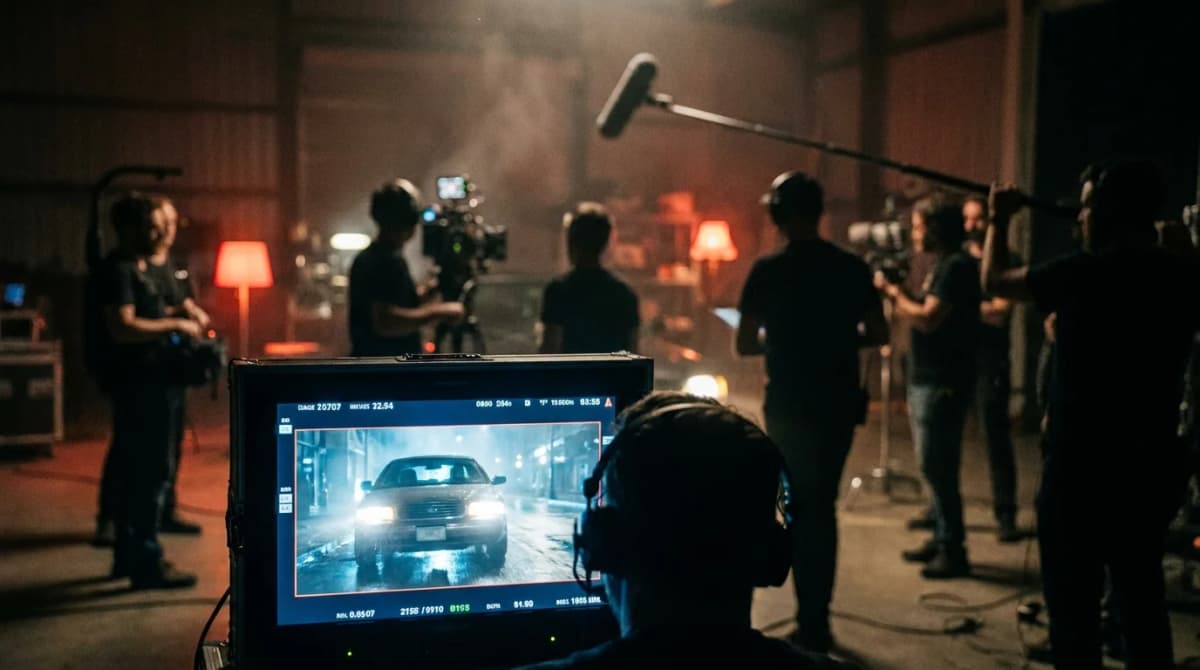
I direct the interview off-camera while a small crew I briefed handles picture and sound. Afterwards the cut is built around the three sentences that survive, with b-roll covering the joins, subtitles because this plays silent on a feed, and an approval route agreed in advance so the quote does not die in a legal inbox.
WHAT I DO
- Interviewee pre-call — a short call with the customer to find what they will say on record and where the defensible number is
- Question ladder — before, what changed, what it was worth, ordered to produce a sentence usable as a headline
- Consent and release paperwork, plus an approval route through the customer’s communications or legal contact agreed before the shoot
- Interview direction on the day — I run the conversation off-camera while the crew I briefed covers picture and sound
- Paper edit around the three sentences that actually survive, then the b-roll list that covers every join
- Delivery set — a 60–90 second film, 20-second quote cards, a subtitled 9:16 cut, and a pull-quote sheet for the written case study
HOW I WORK
- 01
QUALIFY
A pre-call with the customer to confirm there is a story, a number, and permission to say both.
- 02
PREP
Question ladder, releases, approval route, and a location at their site that will not fight the sound.
- 03
INTERVIEW
I run the conversation off-camera, chase the usable sentence from three angles, then direct the b-roll.
- 04
APPROVE
Paper cut, then edit and grade through review, then the customer sign-off before anything is published.
BEST FOR
- B2B companies with genuinely happy customers nobody has ever asked to go on record
- Sales teams who need proof against one specific objection, not general praise
- Brands with written case studies that need a face and a voice attached to them
- Companies filming a customer at the customer’s own site, around the customer’s schedule
NOT THIS
- Not a film about you — if the story belongs to your own founder, that is the brand films and founder stories page
- Not the written case study — the pull-quote sheet is handed over, but page copy, layout and publishing are separate work
- Not actor-played testimonial ads — scripted presenter spots with hired or generated faces belong to AI Commercial Production
THE PROOF
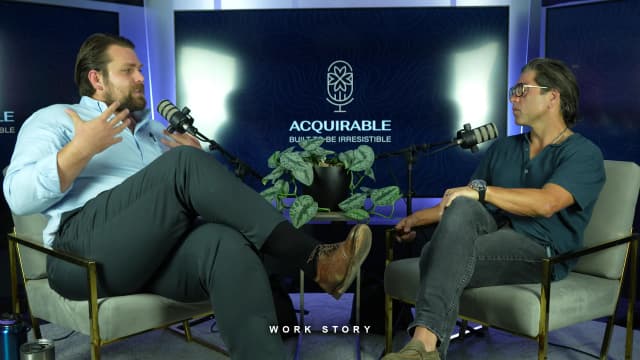
Published case studies from cinematic production work. Each one names the client and shows what was delivered.
STRAIGHT ANSWERS
REST OF CINEMATIC PRODUCTION
MAKE A
WISH.
Tell me what you're building. I'll tell you how loud it can get.
- /01
YOU WRITE
Tell me what you're building and what's in the way. Two lines is enough.
- /02
WE TALK
A 30-minute call, booked within 7 days. Real questions, no pitch theatre.
- /03
YOU GET A PLAN
Scope, timeline and an honest number, usually within a week.