
UGC-STYLE AD VARIANTS
The handheld, talking-to-camera unit, produced rather than filmed.
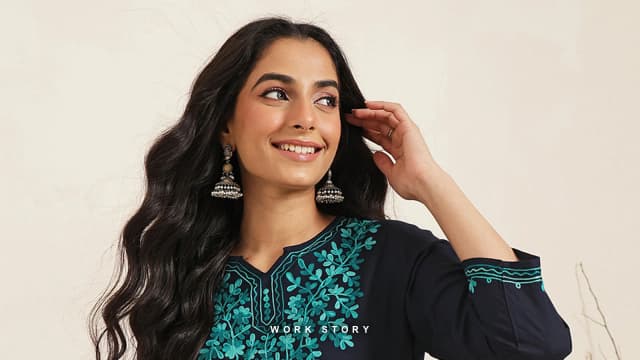
UGC-style ads work because they look like somebody's phone, not a campaign. Arm's-length framing, a real room, slightly wrong white balance, one person saying one thing. I produce that format with AI rather than recruiting creators: a locked presenter, a 30-word script, product inserts cut in, and the imperfection left in on purpose.
The craft is in knowing where it breaks. A synthetic face holding a long line reads as fake to almost anyone, so these are cut as short takes — a few seconds of speech, then away to the product. The presenter comes from a character sheet I keep, so the same face can carry a month of variants without being rebuilt each time.
There are rules I hold to. No presenter built to resemble a real identifiable person without written consent. No fabricated endorsement — a real review can be read aloud, but it is presented as a reading, not as that customer on camera. And every set ships with a disclosed cut alongside the clean one, because platform policy on synthetic media keeps moving.
WHAT I DO
- Spoken scripts of 20 to 40 words, written the way a person actually talks, one claim per script and timed out loud before production.
- A reusable AI presenter — face, age, room and wardrobe locked as a character sheet so later batches match the first one.
- Vertical 9:16 units at 15 to 30 seconds, framed as an arm-held phone with the handheld wobble and imperfect light left in.
- Voice built and directed for a flat conversational read with breaths and pauses, instead of an announcer performance.
- Product insert shots cut against the presenter, so the hand-holding-the-product beat matches your real packaging.
- Burned-in captions in the native platform style, plus a synthetic-media disclosure cut for placements or legal reviews that require one.
HOW I WORK
- 01
SCRIPT
One claim, 20 to 40 spoken words, read aloud and timed before a single frame exists.
- 02
CAST
The presenter is built as a still character sheet — face, age, room, wardrobe — and locked so future batches can be re-anchored to it.
- 03
GENERATE
Short takes only: a few seconds of speech at a time, cutting to product before the face starts to drift.
- 04
ASSEMBLE
Edit, caption, balance the audio, then export the variant set with its disclosed version alongside.
BEST FOR
- DTC brands burning through creator content faster than creators can be briefed and paid.
- Products where a person explaining the thing beats a beauty shot — supplements, apps, tools, services.
- Campaigns that want one recognisable presenter across months of ads, at a volume no single creator would sit for.
- Markets where finding, scheduling and re-shooting with real creators is the bottleneck, not the budget.
NOT THIS
- Not creator sourcing. I do not recruit, brief, pay or manage real UGC creators, and I do not run an influencer programme.
- Not a real person's likeness. I will not build a presenter resembling a specific identifiable individual — your director, a customer, a public figure — without written consent and a rights agreement in place.
- Not the polished hero film. If the ad needs cinema lighting and a 60-second arc, that is the brand film page under this same service.
THE PROOF
Published case studies from ai commercial production work. Each one names the client and shows what was delivered.


STRAIGHT ANSWERS
REST OF AI COMMERCIAL PRODUCTION
MAKE A
WISH.
Tell me what you're building. I'll tell you how loud it can get.
- /01
YOU WRITE
Tell me what you're building and what's in the way. Two lines is enough.
- /02
WE TALK
A 30-minute call, booked within 7 days. Real questions, no pitch theatre.
- /03
YOU GET A PLAN
Scope, timeline and an honest number, usually within a week.